
Five developments shaping engineering, manufacturing and industrial investment
January–March 2026 | EMPua Industry Review
The first quarter of 2026 brought major industrial investments, new digital engineering initiatives and manufacturing expansion plans across several sectors.
From industrial AI to power generation and shipbuilding, these developments illustrate how manufacturers are responding to growing demand, complex engineering challenges and the need for more efficient production.
Here are five developments worth the attention of engineering managers, R&D leaders and industrial companies.
1. Siemens and NVIDIA accelerate industrial AI
January 14, 2026 | Industrial Technology
Siemens announced an expanded collaboration with NVIDIA alongside its new Digital Twin Composer software, designed to combine industrial models, simulation and operational data.
PepsiCo was among the companies highlighted for using the technology to simulate improvements to manufacturing and warehouse facilities.
The initiative represents another step toward integrating simulation, digital twins and AI into industrial planning and operations.
Why it matters
Digital twins are moving beyond product visualization toward supporting investment decisions, factory planning and operational improvements.
For engineering leaders, the important question is how effectively these digital environments can incorporate reliable simulation results, validated physical models and real production data.
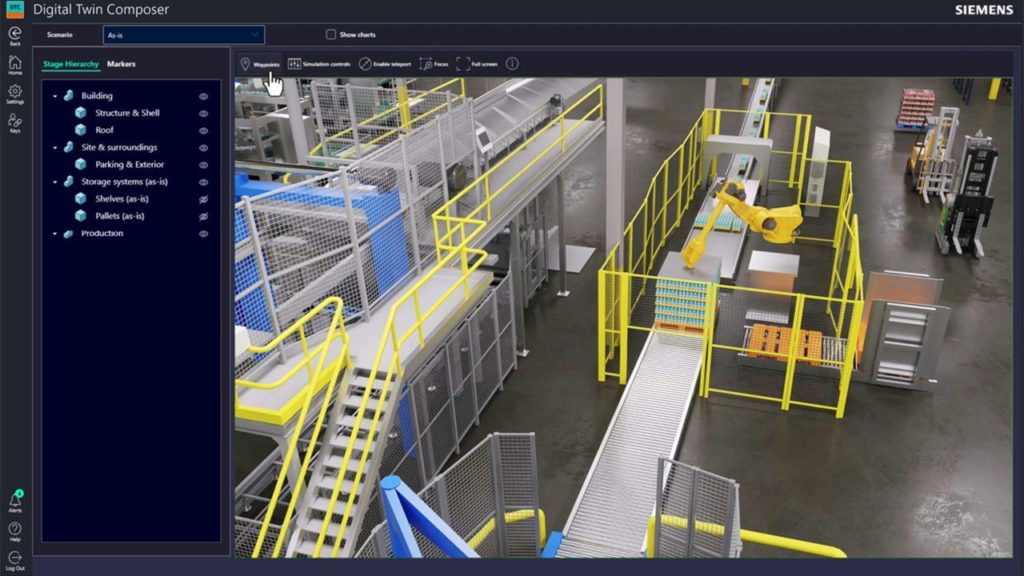
Source: Siemens — CES 2026 announcement
2. Siemens Energy announces $1 billion in US manufacturing investments
February 3, 2026 | Energy & Power Equipment
Siemens Energy announced plans to invest $1 billion in American manufacturing, expanding production capabilities for gas turbines, transformers and electrical grid equipment.
The company also announced plans to create more than 1,500 jobs across its US operations.
The investment reflects growing demand for power generation and grid infrastructure, driven partly by industrial electrification and the expansion of data centers.
Why it matters
Increasing manufacturing capacity while maintaining reliability and performance presents significant engineering challenges.
Component durability, thermal performance, structural integrity and production optimization become increasingly important as manufacturers scale their operations.
Numerical simulation can help engineering teams evaluate these requirements during development and design verification.
Source: Siemens Energy — Investment announcement
3. HD Hyundai moves toward digitally integrated shipbuilding
February 16, 2026 | Shipbuilding & Marine Engineering
HD Hyundai selected Siemens as a preferred partner to establish an integrated digital platform connecting ship design, engineering and production.
The initiative forms part of its Future of Shipyard project, with a target completion date of 2030.
The planned platform aims to connect traditionally separated engineering and production processes through a common digital environment.
Why it matters
Shipbuilding involves complex interactions between structural engineering, fluid dynamics, manufacturing and project management.
Better integration of design and production information could improve collaboration and reduce costly inconsistencies.
For shipbuilders and equipment manufacturers, reliable hydrodynamic and structural analysis remains an important part of evaluating designs before construction.
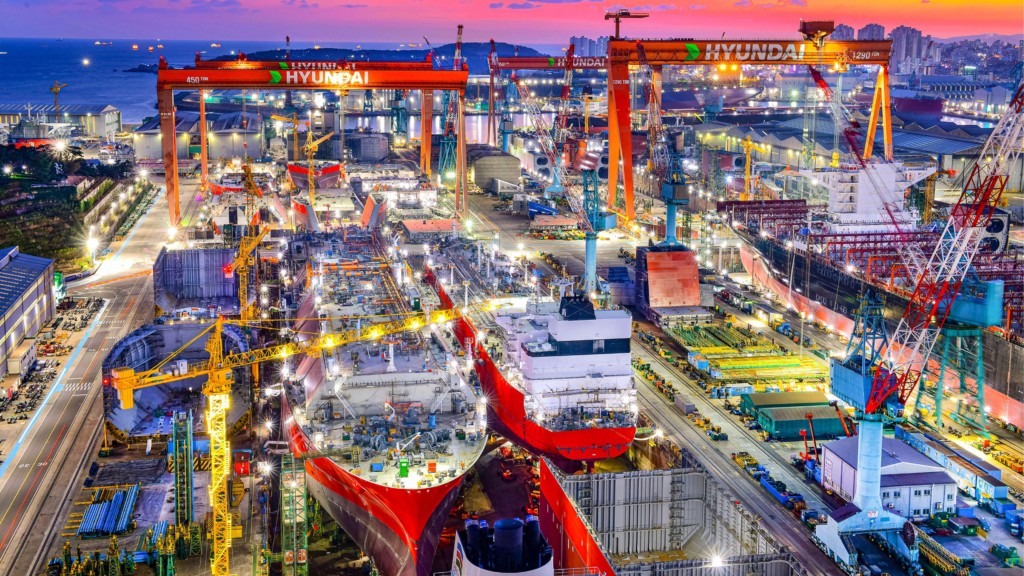
Source: Siemens — HD Hyundai partnership
4. GE Aerospace plans another $1 billion investment
March 9, 2026 | Aerospace & Advanced Manufacturing
GE Aerospace announced plans to invest another $1 billion in US manufacturing facilities and its supplier base during 2026.
The investment is intended to accelerate engine deliveries, increase production of durable components and strengthen manufacturing capacity.
The company also announced plans to hire 5,000 additional US workers during the year.
Why it matters
Increasing production without compromising performance or reliability presents substantial engineering challenges.
Thermal analysis, fluid dynamics, structural calculations and component validation are relevant throughout the development and improvement of aerospace equipment.
For engineering departments, expanding production also increases the importance of coordinating design changes, validation and manufacturing requirements.
Source: GE Aerospace — Manufacturing investment
5. Windar Renovables expands wind tower manufacturing in Poland
March 17, 2026 | Renewable Energy & Heavy Engineering
Windar Renovables announced plans for a second manufacturing facility in Poland, located at CTPark Legnica.
The planned facility is designed to produce up to 200 onshore wind turbine towers annually when fully operational, primarily serving the Polish and German markets.
Production was scheduled to begin in the fourth quarter of 2026.
Why it matters
Wind turbine towers must withstand complex combinations of static, dynamic and fatigue loads.
Expanding production capacity brings additional demands for consistent structural performance, efficient material use and manufacturing quality.
Structural simulation and design optimization can help manufacturers evaluate these requirements before committing to production.